
An opportunity to change how Chenango County does business
By Missy Hayes
Community columnist
Chairman Blanchard and Chenango County Supervisors: You have the opportunity to change how the County Supervisors have done business for so many decades!
It's been a secretive society, good 'ole boys network, the old guard, whichever cliché you wish to use. Get elected, don't ask a lot of questions and do what we want, which isn't always what the residents need.
This is well known so I'm not sharing anything new here. I am not the adversary. I am simply one of your constituents asking serious, logical questions in a courteous manner and looking for answers. I'm also suggesting ideas that may or may not have been considered in a real needs assessment, what options can fill those needs, and have all the options been explored.
Today, I'm sharing an article. I have a membership to Strong Towns which provides valuable information from www.strongtowns.org. While Strong Towns focuses mainly on cities and towns, the information can be extended to larger municipalities.
I'm sharing an article that talks about the following:
"Impact fees fund construction, but critically, they do not fund sustainability. They make it possible to build infrastructure. Ribbons are cut. Photos are taken. The balance sheet looks temporarily healthier because a revenue source exists for construction. But the real costs—operations, maintenance, and eventual replacement—arrive much later. When they do, there is no second impact fee waiting to cover them. This is where the illusion begins. Most municipal insolvency does not begin with reckless spending. It begins with deferred maintenance."
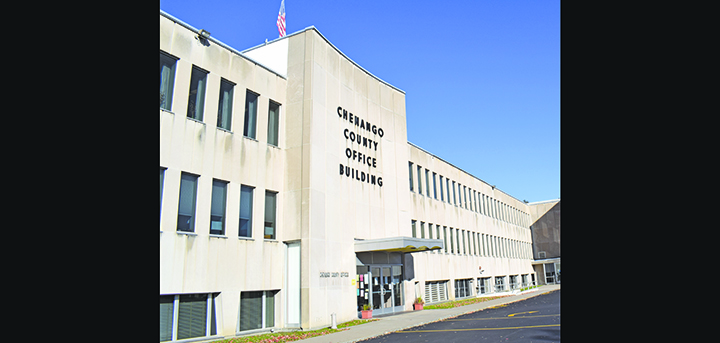
I understand Chenango County has tremendous reserves. However, planning for long term sustainability needs to occur alongside the construction design! Sustainability, maintenance, and upgrades seem to be put on the county's back burner. And I use the DPW building and the current office building as examples.
I will take this a step further and suggest that research into business trends and artificial intelligence and how it will affect data collection and providing services needs to happen before you can truly understand what you need in a new facility. You have some unused space in your current office building. You also have some departments located in other buildings.
Serious questions: Has anyone on your building committee researched how AI will reduce your space needs in the next 4-6 years or how you may be able to consolidate into fewer locations? With AI, digital automation, and remote work opportunities, what will your office space needs actually be? It seems logical to remodel and lease space, certainly for financial reasons, but also to have the opportunity to reduce your leased footprint if/when needed. You can't do this in a structure you build, unless you decide to offer space for rent.
The Grand Union building provides a new opportunity to remodel and lease which fills a vacant building, leaves it on the tax role, gives the county the ability to reduce space (if needed) in the future, provides an existing structure ready to remodel, provides great parking and first floor access, and possibly provides the opportunity to consolidate departments currently in other off-campus buildings.
Bottom line questions, in my opinion, are 1) is it logical to assume that county services can be effectively and reliably offered from spaces other than a brand new building on the county's campus? 2) is it logical to explore the remodel/lease option since the Grand Union recently announced its closure? 3) what committee will need to approve exploring this option and/or approve the new office building project before sending it to the full board for a vote and when? and finally 4) do you want to know what your constituents think?
Supervisors are elected to reflect the will, needs, and priorities of their residents. Knowing constituent views helps ensure decisions align with public interests rather than assumptions or narrow perspectives.
Public hearings, comment periods, and transparency requirements exist so officials consider citizen input before major actions—especially spending, land use, and long-term capital projects.
When residents feel heard, they’re more likely to trust county government—even if they disagree with outcomes. Engagement builds credibility and reduces cynicism.
Supervisors are stewards of public funds and authority. Understanding constituent sentiment helps them justify decisions and remain accountable at election time
Constituents often provide real-world insight into how policies affect daily life—taxes, infrastructure, public safety, schools, zoning, etc. This feedback can reveal unintended consequences or practical improvements.
Link to Strongtowns: www.strongtowns.org and www.strongtowns.org/journal/2026-2-4-the-impact-fee-illusion?apcid=00641aeeba663a3f6f3e8500&utm_campaign=4-general-digest-26-2-6&utm_content=4-general-digest-26-2-6&utm_medium=email&utm_source=ortto




Comments