

Updates from Albany: NY State budget is due on April 1
March is the perfect time to talk about the state budget, which is due on April 1; although it is rarely done by that deadline. The budget is massive, larger than other states with higher populations, and has profound impacts on every New Yorker, but most people don’t know how the process actually works.
In early January, the budget process officially begins when the governor proposes her executive budget to the Legislature, which contains her priorities for the year, mostly financial, but some policy. This year, she proposed the largest state budget in history, coming in at $260 billion.
Since I have been in Albany, the state budget has increased by $51 billion; obviously, that is not a sustainable path to keep going down. Also, the state is not impeded by the two-percent tax cap as local governments are.
After the governor publishes her budget, the Legislature conducts joint budget hearings at which the Assembly and Senate hear from various stakeholders and state agencies about their thoughts on the executive budget. We also get to ask questions of the participants. This is also the time when my Albany office is very busy with visitors expressing their priorities for state spending.
In the next step, usually around the second week in March, the Assembly and Senate Democrat Majorities will present their proposed budgets. These are always much higher than what the governor proposes, with sky-high spending, tax increases and progressive spending projects littered throughout. My Republican colleagues and I then debate these proposals and strongly voice our opposition to most of them, but because Albany is controlled by one party, the proposals always pass.
Once these proposals have been passed, the governor, speaker of the Assembly and the Senate majority leader engage in closed-door negotiations. This is where the budget often gets delayed, because all three of them must agree on the budget or nothing moves forward. It is important to note that the governor and Legislature will often place policy items into their budgets instead of simply constructing fiscal documents. This is where most of the disagreement flows from, and it is the cause of the delays. This year, I predict the disagreements will include the topic of the green energy plan and how it is funded.
When they come to an agreement, the budget comes to the floor for a vote. Now, common sense would dictate that we could vote on the whole budget, but that makes too much sense for Albany; instead, the budget is broken into 10 different budget bills, which are voted on individually. If the budget is going to be broken down into parts, they should go one step further and allow “line-item voting.” Again, my Republican colleagues and I debate these bills thoroughly and point out the different ways they will hurt or help New Yorkers. These debates often go on for hours and late into the night. I almost always vote no on every budget bill. Not because I disagree on all of the spending, but because of the process. It is far from transparent. The budget always contains good things and services that help our residents, but the bad ideas always outweigh the good. We call the bad parts of the budget “poison pills,” which I cannot, in good conscience, support. One-party-ruled Albany will push the budget through, however, no matter how much pain it inflicts. Once the bills have passed, the governor signs them into law, and the state has a budget.
I hope this column has given you some insight into the complicated and somewhat secretive nature of the budget process in Albany. If you have any questions or comments on the budget, please reach out to me. I work for you and would love to hear your thoughts.
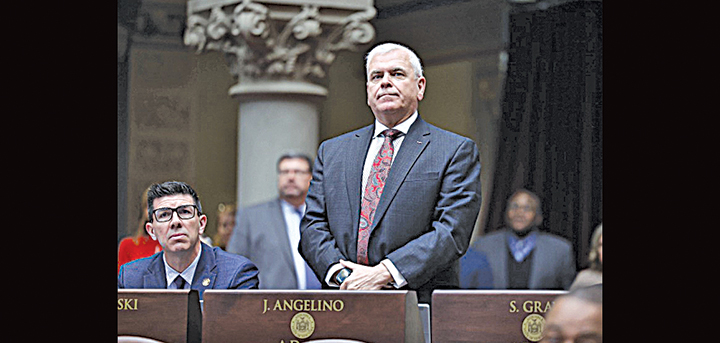
Assemblyman Angelino represents the 121st Assembly District, which includes parts of Broome County, Delaware County, Madison County, Chenango County and Otsego County. Follow Assemblyman Angelino on Facebook.





Comments