

City of Norwich Police issue winter parking notice and weather safety tips

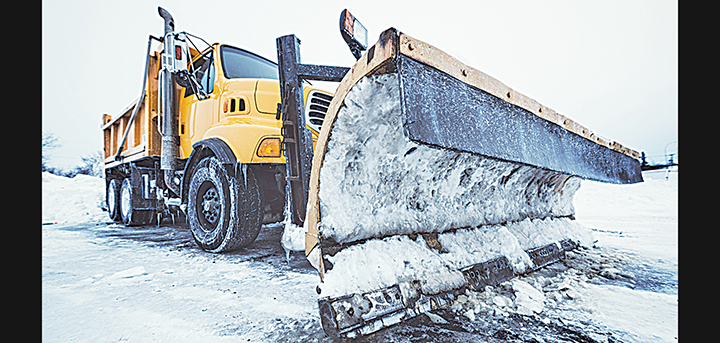
Beginning December 1 and continuing through April 1, parking is prohibited on City of Norwich streets from 12:00 a.m. to 6:00 a.m. to allow snowplows to clear roads. (ES file photo)
NORWICH – The City of Norwich winter parking ordinance is now in effect, and police are urging residents to move their vehicles off city streets overnight and to take extra precautions as winter weather returns.
Beginning December 1 and continuing through April 1, parking is prohibited on city streets from 12:00 a.m. to 6:00 a.m. to allow snowplows to clear roads and keep them safe, explained Deputy Police Chief Matthew Roberts.
He said courtesy notices are expected during the first week of December, but drivers who leave vehicles on the street, especially when there are three or more inches of snow, would be ticketed and have their vehicles towed at the owner’s expense.
Roberts also reminded drivers of a recently implemented New York State vehicle and traffic law that requires motorists to clear more than three inches of snow and ice from their vehicles before driving.
If a driver causes a crash or damage to another vehicle because snow or ice was not removed, the failure to clear the vehicle can be treated as reckless, with fines that can reach up to $850 on top of liability for damages.
With plows out during and after storms, Roberts urged drivers to be patient and give them room to work.
“Snowplows are there to make the roads safer for everybody,” he said, adding that motorists should yield the right of way, avoid crowding plows, and allow extra time to reach their destinations. Because plows have large blind spots and can create clouds of blowing snow, drivers should never attempt to pass through the snow cloud behind a plow and should stay well back until visibility is clear.
Roberts also noted that the NY Department of Transportation requires drivers to turn on their headlights in any inclement weather to improve visibility.
Preparing vehicles before winter storms is another key part of staying safe. Roberts said motorists should make sure their vehicles are in good working condition, with a full fuel tank and a good set of snow tires. Following distance should be increased on snow-covered roads because it takes longer to slow down and stop.
He advised against using cruise control or any auto-driving features on slippery roads, warning that those systems can interfere with a driver’s ability to react quickly.
Make sure your vehicle is working correctly and keep basic emergency supplies in the car, including extra hats and gloves, emergency blankets, bottled water, a flashlight with extra batteries, and a first-aid kit, in case a driver becomes stranded, he said.
Officials stressed that, when possible, the safest choice during significant winter storms is to stay off the roads altogether unless travel is absolutely necessary.
The Centers for Disease Control and Prevention has tips for staying safe in cold weather. They recommend dressing in layers when going outside with a water-resistant outer layer. Cover your head, ears, face, hands, and feet with a hat, scarf, warm socks, and gloves.
Shivering is an early warning sign that the body is losing heat, and a signal to get indoors and warm up. Prolonged exposure to cold can lead to hypothermia, an abnormally low body temperature and frostbite.
Warning signs of hypothermia can include ongoing shivering, exhaustion, clumsiness or fumbling hands, confusion, memory problems, slurred speech, and drowsiness.
Frostbite, which most often affects the nose, ears, cheeks, chin, fingers, and toes, can cause loss of feeling in the affected area, changes in skin color to white or grayish-yellow, and skin that feels unusually firm or waxy. Anyone showing signs of frostbite should seek medical care right away. If left untreated, frostbite can cause permanent damage.
More information on winter weather safety can be found at www.cdc.gov.





Comments